
Sustainable Organizing: Eco-Friendly Ways to Organize Your Home
In the world of home organization, it’s easy to fall into the trap of buying dozens of plastic bins, baskets and storage containers in a quest to create a “perfectly organized” space. But many of these products are designed to be replaced quickly, which leads to waste and clutter.
That’s where sustainable organizing comes in.
Sustainable organizing focuses on creating systems that reduce waste, use natural or long-lasting materials and encourage mindful consumption. Instead of relying on disposable storage solutions, sustainable organizing helps you create a home that is both functional and environmentally responsible.
The good news is that organizing sustainably doesn’t require a huge lifestyle change. In fact, many eco-friendly organizing practices are actually more simple and affordable than traditional methods.
Let’s look at how you can organize your home in a way that is better for both your space and the planet.
What Is Sustainable Organizing?
Sustainable organizing is the practice of organizing your home while minimizing waste and environmental impact.
This approach focuses on three main principles:
- Reduce the amount of unneeded items in your home
- Reuse things you already own for storage and organization
- Choose sustainable materials when you need to purchase storage solutions
Why Eco-Friendly Organizing Matters
The home organization industry has grown rapidly in recent years, with thousands of products marketed as “must-have storage solutions”. Unfortunately, many of these items are made from cheap plastic that breaks easily and ends up in landfills. Eco-friendly organizing helps reduce this cycle.
When you organize sustainably, you:
- Reduce household waste
- Avoid unnecessary purchases
- Use materials that last longer
- Create a healthier home space
- Develop mindful shopping habits
Start with Decluttering
Remember my SHOO method: We always declutter before we containerize! The most important step in sustainable organizing is decluttering.
If you have fewer things, you need fewer storage solutions.
Decluttering also allows you to see what you already own, which often shows you that you already have storage items you can reuse.
When decluttering, consider the following:
Reuse
Can the item be used in another way? For example, a basket from one room might work great in another.
Repair
Instead of chucking broken items, consider whether they can be repaired or repurposed.
Donate
If you no longer use something but it’s still in good shape, donating it allows someone else to benefit from it.
Decluttering with intention helps reduce waste and makes organizing much easier.
Repurpose Everyday Household Items
One of the best ways to organize sustainably is by repurposing things you already have at home.
Before buying new storage bins or containers, look around your house for items that could be reused as organizers.
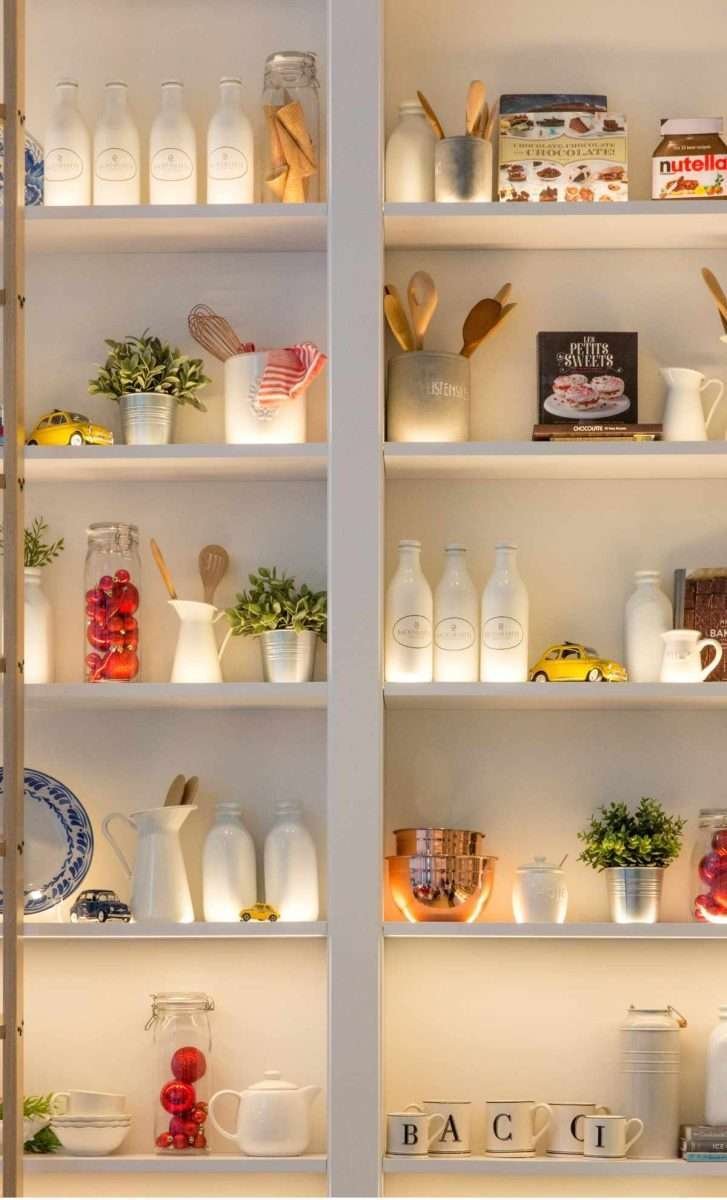
Common household items that make great organizers include:
- Glass jars for pantry storage
- Shoe boxes for drawer dividers
- Mason jars for office supplies
- Tin cans for kitchen utensils
- Old baskets for blankets or toys
- Small boxes for organizing craft supplies
- Empty food containers for hardware or tools
Repurposing things not only reduces waste but it also adds character and personality to your organizing systems.
Choose Sustainable Storage Materials
Sometimes you do need to purchase new storage solutions. When that happens, choosing eco-friendly materials can make a big difference. Look for products made from natural or renewable materials.
Bamboo
Bamboo is one of the most popular sustainable materials used in organizing products. It grows quickly, requires minimal water and is biodegradable.
Bamboo drawer dividers and organizers are durable, attractive and environmentally friendly.
Glass
Glass containers are excellent for pantry storage. They are long-lasting, recyclable and free from the chemicals sometimes found in plastic containers. Remember to look for containers that have silicone lids, rather than plastic.
Glass jars can store everything from nuts and pasta to spices and baking ingredients.
Wood
Wooden crates, boxes and shelves provide strong and long-lasting storage options. With proper care, wooden storage products can last for decades.
Natural Fibre Baskets
Baskets made from natural fibres like jute, seagrass, cotton or wicker offer pretty and sustainable storage options for many areas of the home.
These materials are biodegradable and often require fewer chemicals to produce.
Avoid Single-Purpose Organizing Products
Many organizing products are designed for one very specific purpose. While they may look nice in stores, they often become clutter if your needs change.
Instead, focus on versatile storage solutions that can serve multiple purposes.
For example:
- A basket can store blankets, toys, magazines or laundry.
- Glass jars can hold pantry items, craft supplies or bathroom essentials.
- Wooden crates can be used in the kitchen, office, bathroom or garage.
Multi-purpose storage decreases the need to constantly purchase new organizing items.
Create Simple Organizing Systems
Sustainable organizing works best when your systems are simple and easy to maintain. This is the Optimize stage of “How to SHOO Away Clutter”. Instead of filling every drawer and shelf with containers, aim for organizing systems that allow for flexibility.
Benefits of simple organizing systems include:
- Easier cleaning
- Less visual clutter
- Decreased consumption
- More adaptable storage
A little extra space within your storage areas allows your systems to evolve as your needs change.
Organize by Category Instead of Container
A common mistake people make when organizing is buying containers before deciding what they actually need to store.
A more sustainable approach is to organize by category first.
For example: kitchen categories may include:
- Baking supplies
- Spices
- Snacks
- Cooking utensils
Office categories may include:
- Paper supplies
- Writing tools
- Electronics
- Important documents
Once you understand what categories you need for your home/life, you can choose storage solutions that really do fit your needs. This stops the cycle of buying containers that don’t actually work for your needs.
Maintain Your Organizing Systems
Sustainable organizing isn’t a one-time project. It’s an ongoing process that grows and changes with your space and life.
To keep your systems working long-term:
- Declutter regularly
- Fix storage items instead of replacing them
- Donate items you no longer use
- Avoid impulse purchases of trendy organizing products
Small maintenance habits keep your home organized without creating more waste.
Sustainable Organizing Is About Progress, Not Perfection
Creating an eco-friendly home doesn’t mean replacing everything you own with sustainable alternatives overnight.
In fact, the most sustainable choice is using what you already have. Start small by reusing containers, choosing long-lasting options when needed and focusing on systems that reduce clutter and waste.
Over time, these simple changes will help you build a space that is not only organized but also more in line with sustainable living.
Sustainable organizing proves that a tidy spaces and an environmentally conscious life can go hand in hand.